The Precautionary Principle is a legal and scientific principle that, in the event of a risk of serious or irreversible damage to human health or the environment, the absence of absolute scientific certainty must not be a reason for delaying the adoption of preventive measures. This principle has found formal recognition in a number of international treaties and norms, including the Rio Declaration (1992, Principle 15) and the Treaty of European Union art. 191 TFEU for the environment). The precautionary principle has been applied in a relevant way by the EU and Italy in various sectors, in particular for the Environment to the cultivation of GMOs (Genetically Modified Organisms in the open field; with regulations on industrial emissions such as combating climate change and air pollution; to the use of pesticides and pesticides in agriculture. Furthermore, to protect public health and European consumers, prevention measures against the spread of BSE (mad cow disease) were adopted in the 2000s, to regulate the use of antennas and mobile networks and protect users from the action of electromagnetic fields; some emergency measures during the COVID-19 pandemic. The principle is often invoked in environmental and health disputes against public works (such as incinerators, industrial plants, etc).
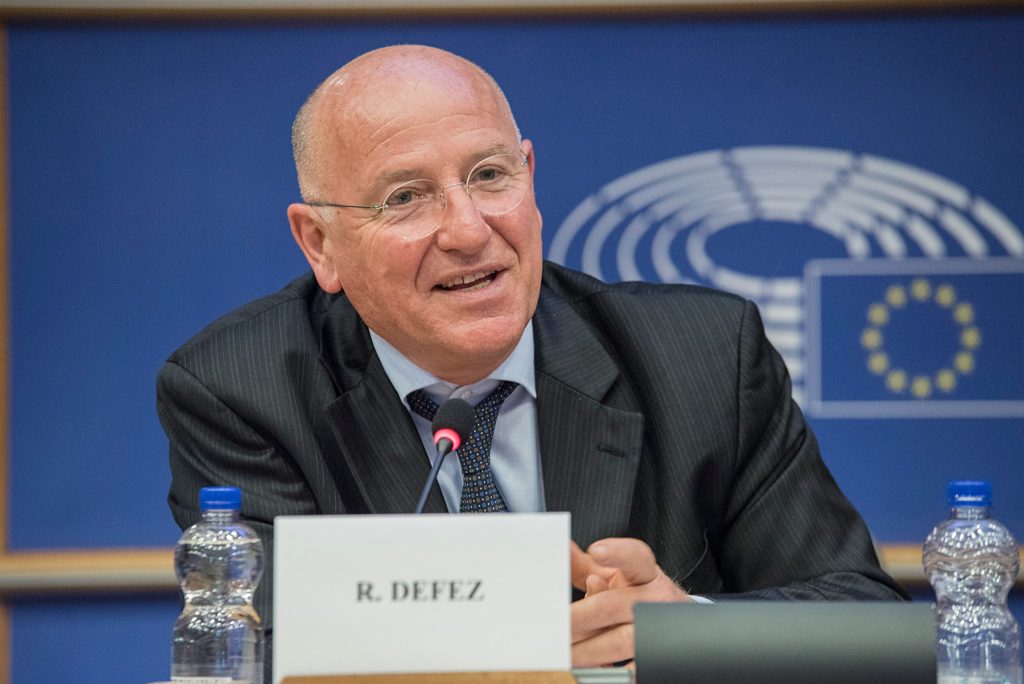
Introduced by: Roberto Defez, Biotechnologist, CNR researcher; Saverio Corasaniti, TAR Judge Emeritus; Francesco Lapenta, John Cabot University
Moderator: Pino Donghi, semiologist and scientific communicator
Speakers: Francesca Biondo, Carlotta Ippoliti Martini