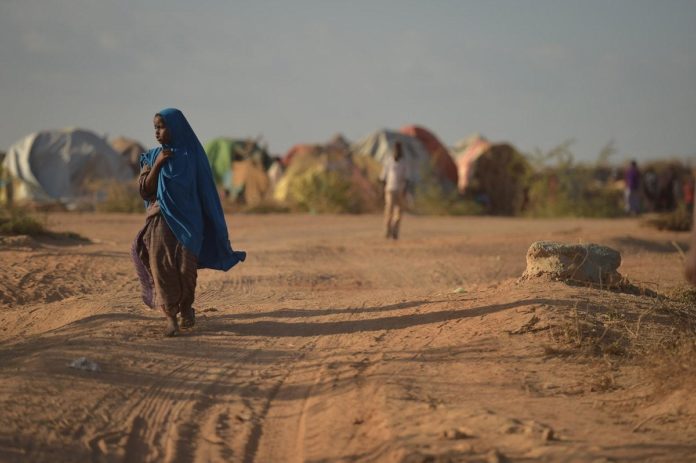
Environmental degradation, desertification and shortfalls in local food production continue to undermine stability and security worldwide. Although 2025 marked a third consecutive year of decline in global hunger — now affecting 7.8 per cent of the world’s population (SOFI 2026) — these gains remain acutely vulnerable to the next shock. Africa remains the epicentre of global food insecurity, with more than half the population experiencing moderate or severe food insecurity (SOFI 2026). This trend is projected to worsen in the near future, given that Africa’s population is expected to nearly double to around 2.5 billion by 2050 (UN DESA 2024). The structural challenges underlying this insecurity have a global reach, contributing to forced migration and radicalisation and, in some cases, being used as an instrument of geopolitical pressure.
In 2025, for the first time in the ten-year history of the Global Report on Food Crises, famine was confirmed in two places in the same year — parts of the Gaza Strip and of Sudan (GRFC 2026) — and the risk of famine persists into 2026 in Sudan, South Sudan, Somalia and Gaza (Hunger Hotspots 2026).
Addressing these challenges requires a multifaceted approach: strengthening local production of basic foods, improving farmers’ access to national and global markets, and building resilience in global supply chains to withstand disruptions such as those experienced during recent crises — from the COVID-19 pandemic and the war in Ukraine to the more recent energy and fertiliser price pressures stemming from the closure of the strait of Hormuz, which continue to drive food inflation. A further, quieter barrier is affordability: costs accumulate along the value chain, as weak cold storage, unreliable energy, inefficient markets and rising transport prices push nutritious food beyond reach even where it is produced. At the same time, the humanitarian system is contracting sharply, with some 25 million people cut from humanitarian assistance (GHO 2026). With the UN’s coordinated humanitarian appeal targets for 2026 revised downward for the first time to fewer than 60 per cent of those identified as being in need (GHO 2026), recipient countries are now more exposed to heightened risks of hunger, instability and conflict.
Rome is uniquely placed to host this conversation: home to the three United Nations agencies for food and agriculture — FAO, IFAD and WFP — it is the city from which the world’s authoritative assessments of hunger are issued. It is in this spirit that the Festival of Diplomacy intends to foster a dialogue uniting the Rome-based agencies, governments, the private sector and emerging development actors around the structural causes of food insecurity and the responses they demand.