In the context of the Festival della Diplomazia 2026, the EU Delegation in Rome will host a high-level panel discussion on artificial intelligence and its growing impact on diplomacy, humanitarian action and multilateral cooperation.
Rather than approaching AI only as a technological innovation, the discussion will frame it as one of the defining political and diplomatic questions of our time: is artificial intelligence a tool for more efficient and responsive multilateralism, a subject requiring strong human-centric regulation, or increasingly the centre of geopolitical power competition?
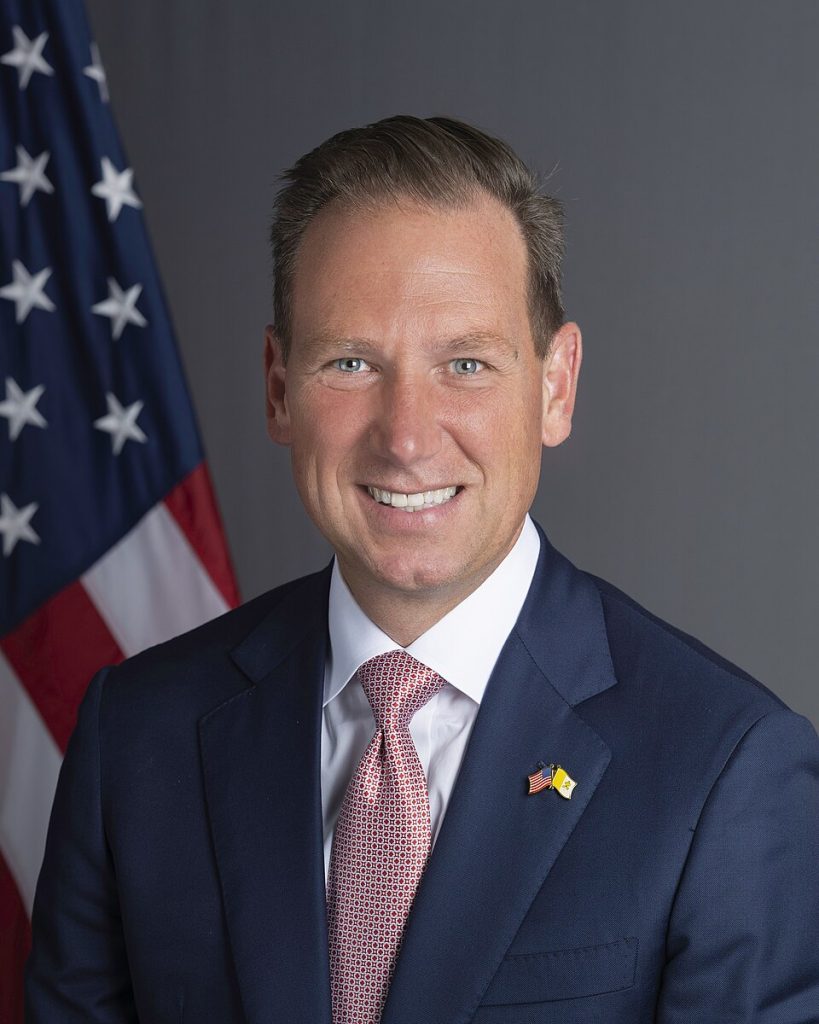
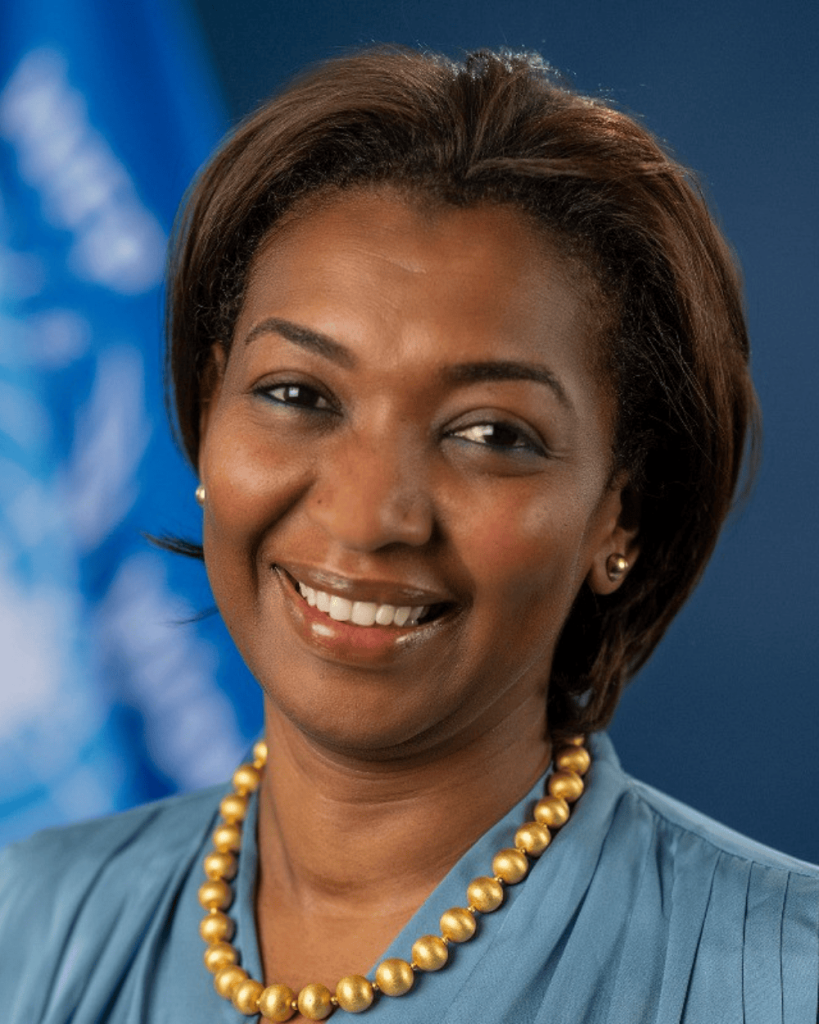
Given the unique nature of the EU Delegation in Rome, accredited bilaterally to three subjects of international law and to the UN organisations based in Rome, the panel will explore these questions from three complementary perspectives: the EU and the US geopolitical approaches, the human-centred vision of the Holy See, and the multilateral experience of the Rome-based UN Agencies on using AI systems for supply chain optimisation and advanced warnings for food security.
2026 is the year of Magnificas Humanitas, the first encyclical letter of Pope Leo XIV on safeguarding the human person in the time of artificial intelligence, published last May. As Pope Leo XIV warned us, our society may be running on the edge of profound transformation while AI is becoming a field of strategic competition, raising urgent questions about global standards, technological sovereignty, security, access, inequality and the future of international cooperation. The EU is committed to ensuring that this transformation remains human-centred, rights-based and democratically accountable.
The discussion will also situate the EU’s role within recent landmark developments, including the EU Artificial Intelligence Act, the first-ever legal framework on AI, which addresses the risks of AI and positions Europe to play a leading role globally, and the Council of Europe Framework Convention on Artificial Intelligence, Human Rights, Democracy and the Rule of Law, the first-ever international legally binding treaty on AI. Together, these instruments reflect Europe’s commitment to shaping AI in line with democratic values, human dignity, fundamental rights and accountability, while also recognising the need for innovation, international cooperation and effective governance.
Objective
In its seventeenth edition, the Festival poses the question What’s Next? as the guiding theme for the numerous talks and workshops it will host. The EU Delegation in Rome aims to contribute to this debate by examining how AI is reshaping foreign policy practice, humanitarian response and multilateral decision-making.
The panel will therefore ask how diplomacy can respond to AI not only as a tool to improve efficiency, analysis and coordination, but also as a matter of regulation, ethics and geopolitical balance. It will consider how the EU, the US, the Holy See and the United Nations can contribute to a shared international approach that supports innovation while protecting human oversight, human rights, democratic values, cooperation and the international rules-based order.
The EU Delegation is pleased to host 50 guests. Among them, 25 students will benefit from this constructive exchange and, together with 25 members of the wider Diplomatic Corps in Rome, will have the opportunity to engage with the panellists.