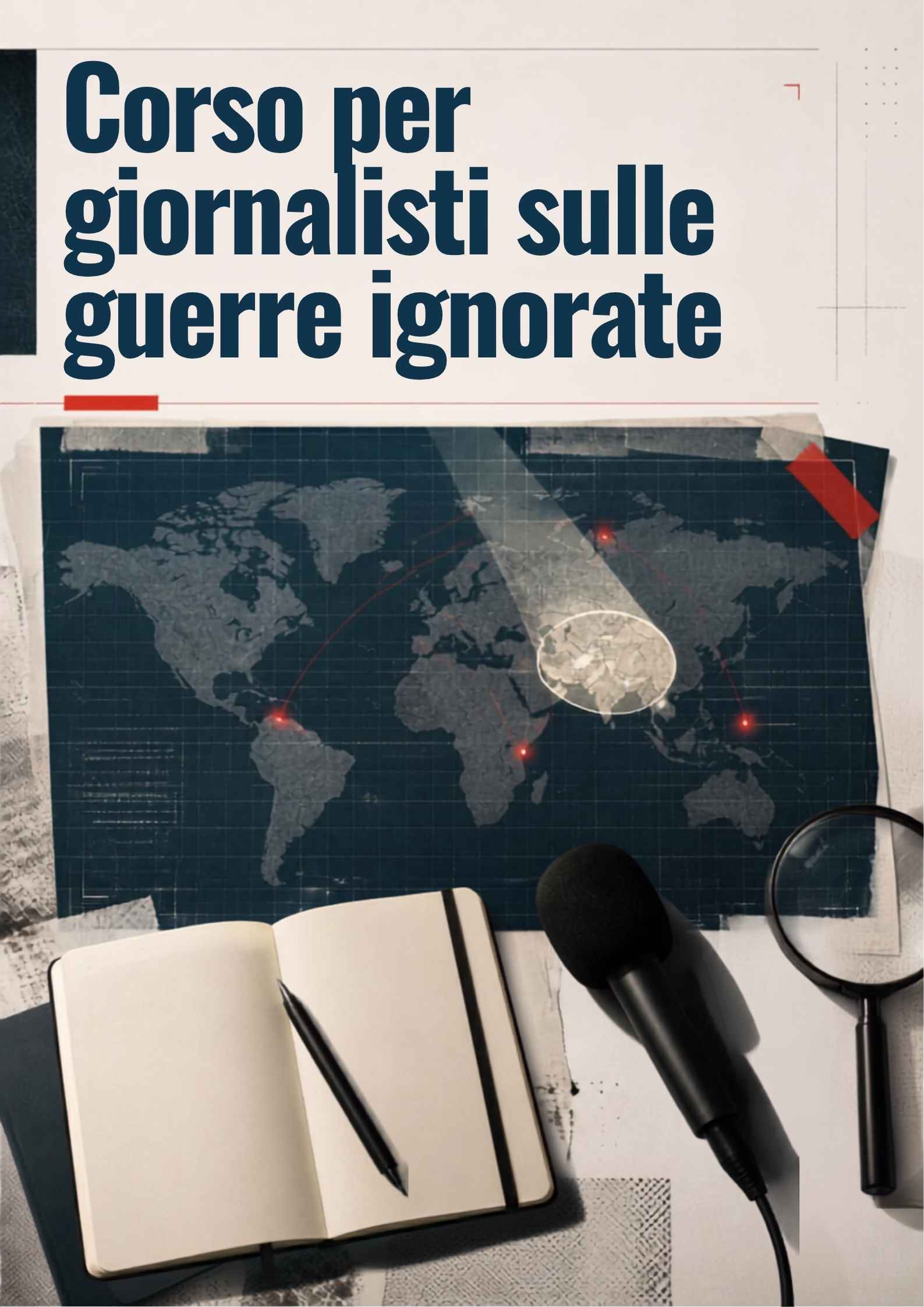
In a world marked by a growing number of armed conflicts, civil wars, and geopolitical crises, international public attention tends to focus on a limited number of scenarios, leaving many other emergencies in the shadows.
This workshop invites reflection on the role of the media in reporting on “forgotten” or under-reported wars—conflicts that, despite causing casualties, displacement, and profound humanitarian crises, struggle to gain traction in international public debate.
With contributions from journalists and experts, the workshop will analyze the reasons behind the varying visibility of conflicts, the relationship between media attention and geopolitical interests, the challenges of reporting from war zones, and the media’s responsibility to convey the complexity of crises that are often portrayed solely through the lens of immediate emergency.
The goal is to equip participants with the tools and analytical frameworks to identify under-reported crises, understand their dynamics, and craft narratives that go beyond the “latest war” or breaking news cycle—thereby helping to bring conflicts at risk of invisibility back into the spotlight.
Format: The workshop will feature a dynamic, participatory format. For each topic, brief presentations by speakers will alternate with discussion sessions, fostering dialogue among experts, journalists, and participants.
The aim is not merely to present a series of specialized talks, but to collaboratively build a shared understanding of ongoing transformations by connecting expertise from the fields of geopolitics and journalism.
Temi:
Guerre dimenticate e conflitti invisibili: quali crisi restano ai margini dell’attenzione internazionale e perché
La geografia dell’attenzione: come interessi geopolitici, economici e strategici influenzano la visibilità dei conflitti
Media e agenda internazionale: il ruolo dell’informazione nel determinare quali guerre entrano nel dibattito pubblico
Breaking news vs. narrazione di lungo periodo: i limiti della copertura basata sull’emergenza e sull’“ultima guerra”
Il giornalismo nelle aree di conflitto: accesso alle fonti, sicurezza, propaganda, censura e difficoltà di verifica
Crisi umanitarie sottorappresentate: vittime, sfollamenti e conseguenze che rischiano di rimanere senza voce
La responsabilità dell’informazione: raccontare la complessità senza semplificazioni, stereotipi o narrazioni emergenziali
Verificare ciò che non fa notizia: strumenti per individuare, documentare e comprendere i conflitti meno raccontati Dall’invisibilità alla consapevolezza: come riportare al centro dell’attenzione pubblica le crisi dimenticate