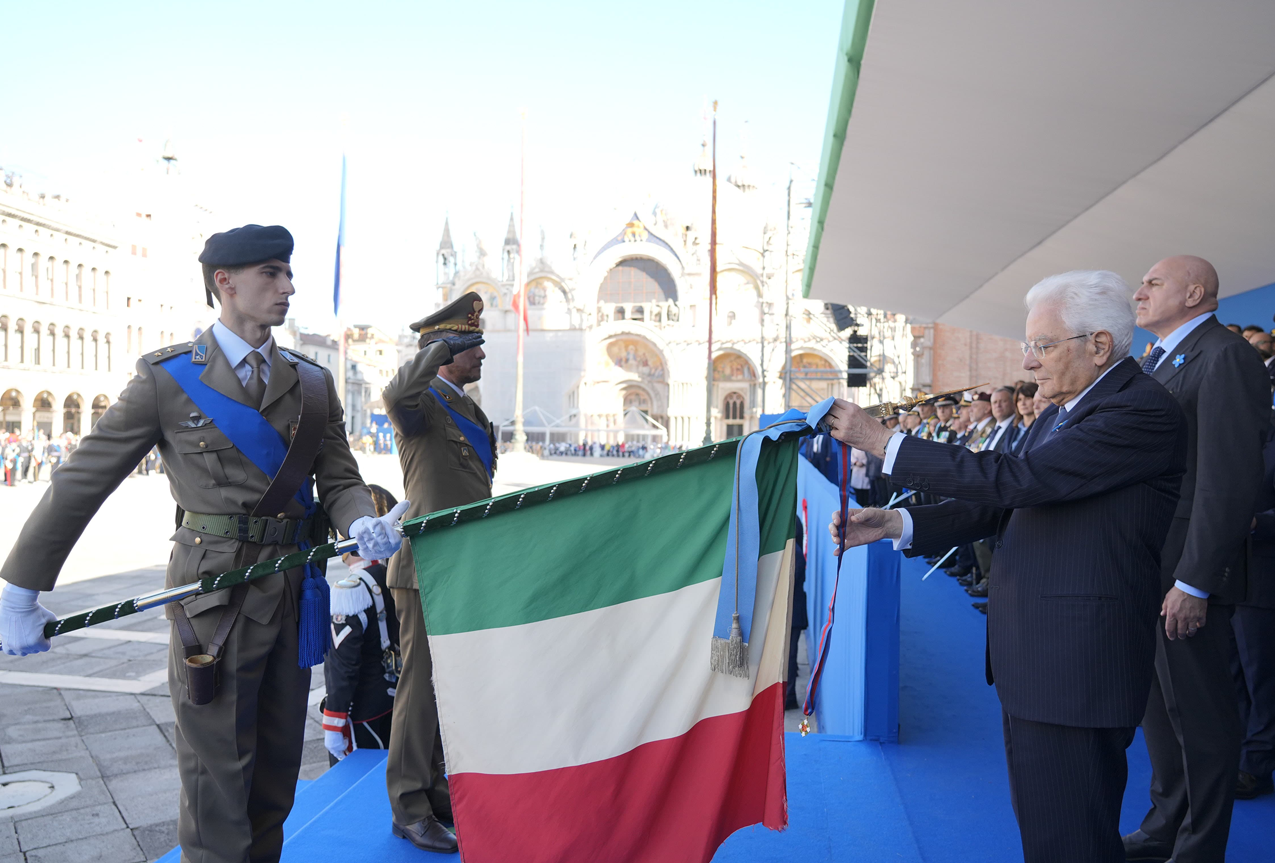
The Italian Campaign of the Second World War offers a unique lens through which to explore the intersection of military cooperation, strategic tension, and the politics of memory. As the most international front of the war, involving troops from over thirteen countries across five continents, it was both a crucible of coalition warfare and a foundation for postwar diplomatic relationships. Yet, despite the campaign’s scale and significance, it has often been overshadowed in collective memory by more iconic operations, such as the Normandy invasion. The result is a fragmented commemorative landscape in which nations mark the campaign in isolation, without a shared narrative or central commemorative site.
This panel examines how the legacy of the Italian Campaign continues to inform contemporary cultural diplomacy, revealing how memory functions as both a site of cooperation and contestation. Allied debates over grand strategy—particularly between British and American visions for the Second Front—illustrate how wartime collaboration required negotiation not only of military objectives but of future geopolitical influence. In the postwar period, these tensions translated into competing national narratives, shaping how the campaign has been remembered—or forgotten.
By analyzing the diplomatic, strategic, and commemorative dimensions of the Italian Campaign, this panel argues that wartime memory is not a static inheritance but a dynamic tool of international engagement. The evolving efforts to establish a unified commemoration of the campaign provide a hopeful model for rethinking how shared sacrifice can foster transnational dialogue in an increasingly fragmented world.