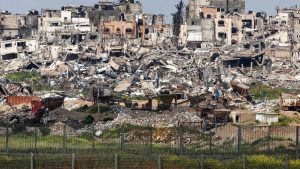
In recent years, wars, political instability, pandemics and climate change have put food security even more at risk in areas of the world where populations suffer from food crises. Many countries suffer from food dependence on imports and the prices of imported products often are more advantageous than local ones, disincentivizing agriculture and reducing the food sovereignty of individual states’ economic systems. According to the FAO, food security means “ensuring that all people at all times have sufficient, safe and nutritious food to meet their dietary needs and food preferences for an active and healthy life”. The theme of the right to food and the fight against hunger, represents the second among the 17 Development Goals of the 2030 Agenda, but unfortunately due to the aforementioned causes it seems far from being achieved: in the two years of the pandemic, the number of hungry people in the world rose from 661 million to 783 million. The challenge for a socially, environmentally and economically sustainable agriculture is associated with the need to transform our food systems in a more sustainable and resilient way by adopting equitable pathways that support the fight against and mitigation of climate change, make food available, accessible and usable in an appropriate way, through increasing soil fertility and productivity by renouncing deforestation, the massive use of synthetic chemicals, intensive cultivation, and by promoting education on food preservation and preparation. For this reason, it is relevant to promote transparent and accountable governance systems, sustainable food supply chains, access to health diets, gender equality, and resilient food systems in humanitarian contexts. Moreover, it is critical to promote also policy coherence and reduce policy fragmentation between relevant sectors like health, agriculture, education, environment, gender, social protection, trade and employment- all of which impact food systems and nutrition. To sum up, food security is closely linked to the most important challenges of our time: from peace, to respect for human rights, from climate change to deforestation in both poorer and economically advantaged countries.