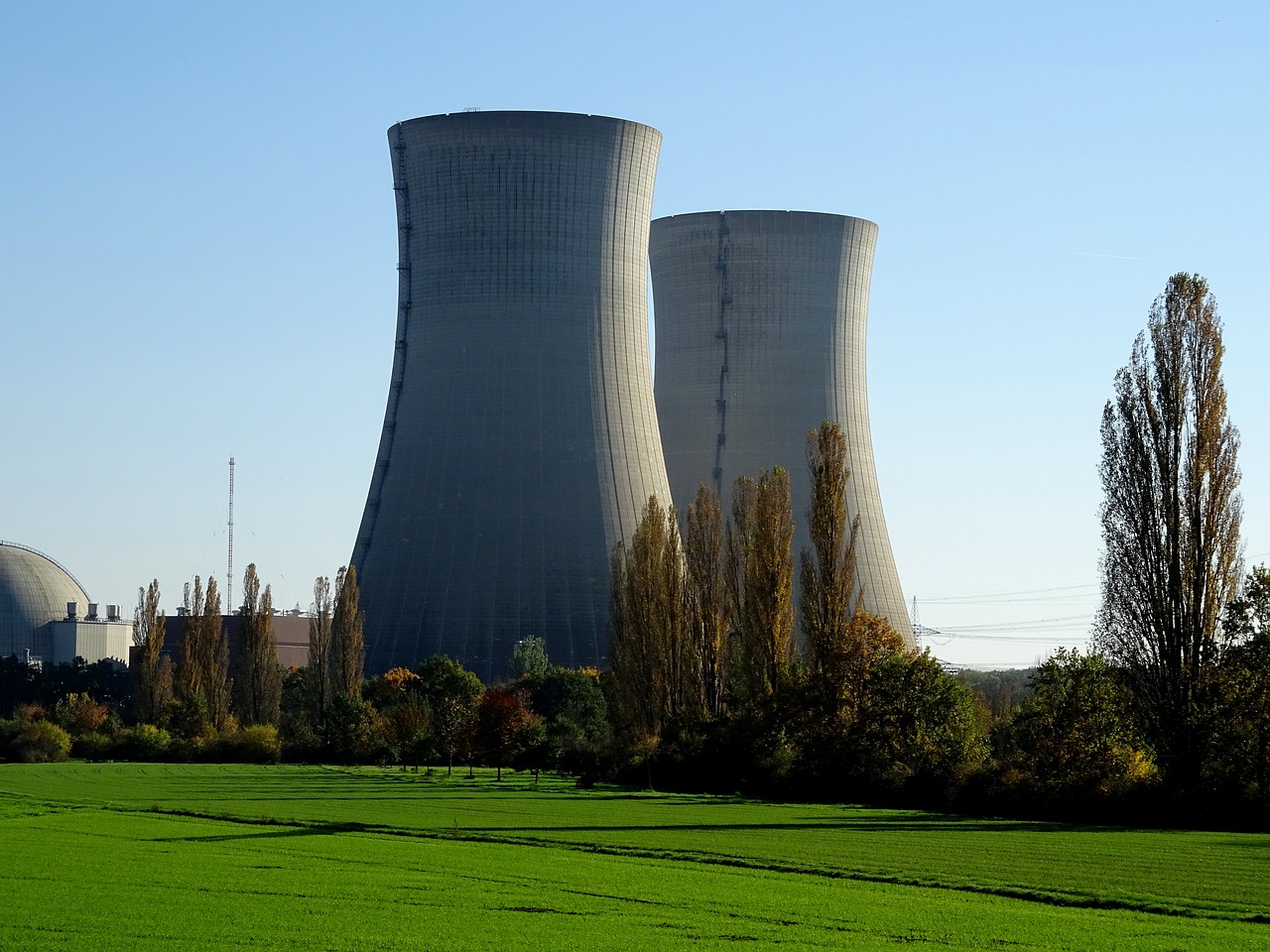
Energy policy sits at the crossroads of technology, politics, and public perception. As the global urgency to reduce carbon emissions intensifies, governments face the challenge of securing reliable, affordable, and clean energy. In this context, nuclear power remains one of the most debated options — both promising and polarizing.
The nuclear option offers undeniable advantages: low operational emissions, high energy output, and a stable energy supply. Yet it also raises deep concerns around safety, radioactive waste management, high capital costs, and the potential for catastrophic accidents. These tensions are not just technical or economic; they are deeply political and social. Public consensus plays a crucial role in shaping energy pathways. In democratic contexts, no large-scale energy transition can succeed without a degree of social legitimacy. Nuclear energy, more than most other sources, depends on trust in institutions, in science, and in long-term governance. This makes public engagement, transparent risk communication, and participatory decision-making essential components of any energy strategy that includes nuclear power.
Energy policy must therefore navigate a delicate balance: between urgency and caution, innovation and responsibility, expert knowledge and democratic accountability. The nuclear question is not only about reactors and kilowatt-hours, it is about the kind of energy future society is willing to accept and collectively build.