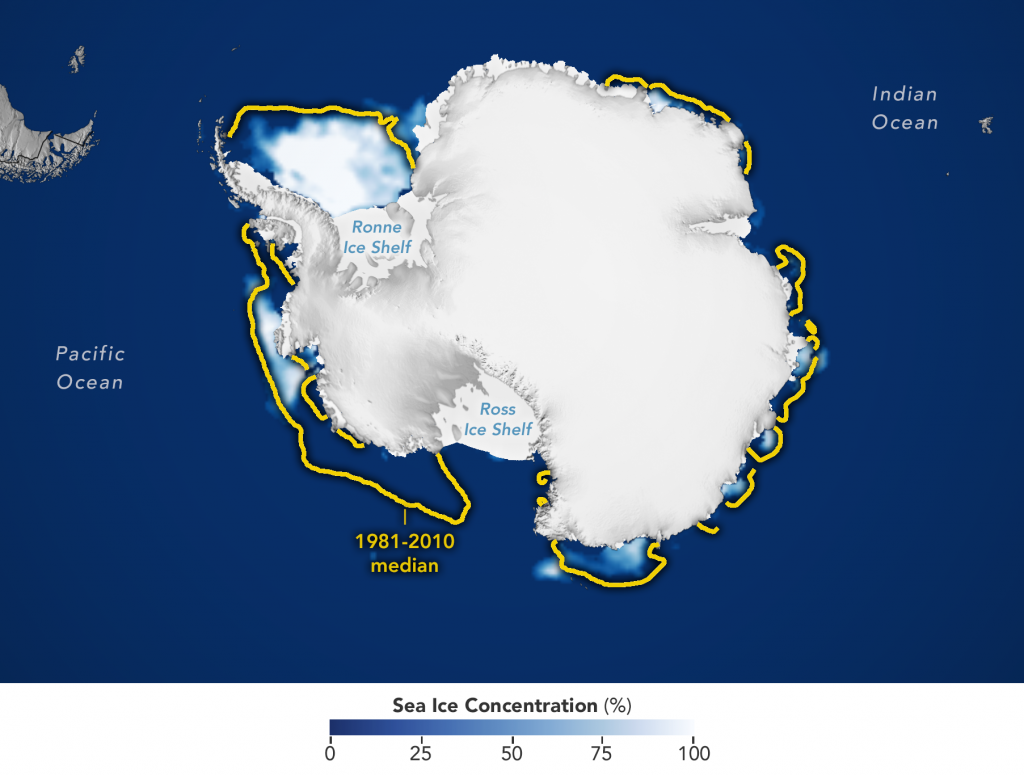
The Antarctic Treaty, signed in 1959, established the continent as a zone dedicated to peace and science, fostering international cooperation in research and environmental protection. Within this framework, scientific collaboration has become a cornerstone of Antarctic exploration, especially in the era of big data.
Today, the complexity and volume of data collected – Antarctica-ranging – climate and glaciology to marine biology and atmospheric studies-require close interaction among data analysts across national programs. The term “Data Analyst Confrontation” refers to a collaborative exchange among experts who process and interpret Antarctic datasets. These structured confrontations help identify discrepancies, align methodologies, and enhance data interoperability.
By encouraging shared analytical approaches and promoting open-access platforms, this cooperation reflects the spirit of the Antarctic Treaty: international collaboration for the benefit of humankind. Joint data analysis supports more accurate climate modeling, enhances understanding of ecosystem dynamics, and ensures scientific transparency.
Strengthening analyst-level cooperation not only advances Antarctic science but also reinforces global responses to environmental challenges, anchored in the principles of the Treaty itself.
With speakers from the leading Antarctic research countries & institutions
Opening speakers
Dr Johnathan Kool
Director Australian Antarctic Data Centre
Chair SCAR Standing Committee Antarctic Data Management (SCADM)
Member Scientific Committee World Data System
Alberto Salvati
Italy’s National Research Council – CNR
Italy’s representative – SCADM
Member – Concordia Operational Committee – COC
& other speakers from the leading Antarctic research countries & institutions
Martin Wearing
ESA’s Polar Science Cluster
Moderator:
Edward Mura
Corporate Advisor/Lawyer and Chairman of Commonwealth Club of Rome
Updates will follow